5,000 Years of
Living Heritage
From the Indus Valley Civilization to Mughal grandeur — explore India's UNESCO sites, royal forts, ancient temples and sacred caves with audio guides and AI heritage assistance.
The Story of
India's Heritage
India stands as one of the world's oldest continuous civilizations. The Indus Valley Civilization (3300–1300 BCE), stretching across northwestern India and Pakistan, built the cities of Mohenjo-daro and Harappa — urban marvels with planned streets, advanced drainage systems, and standardized weights that predate Rome by two millennia.
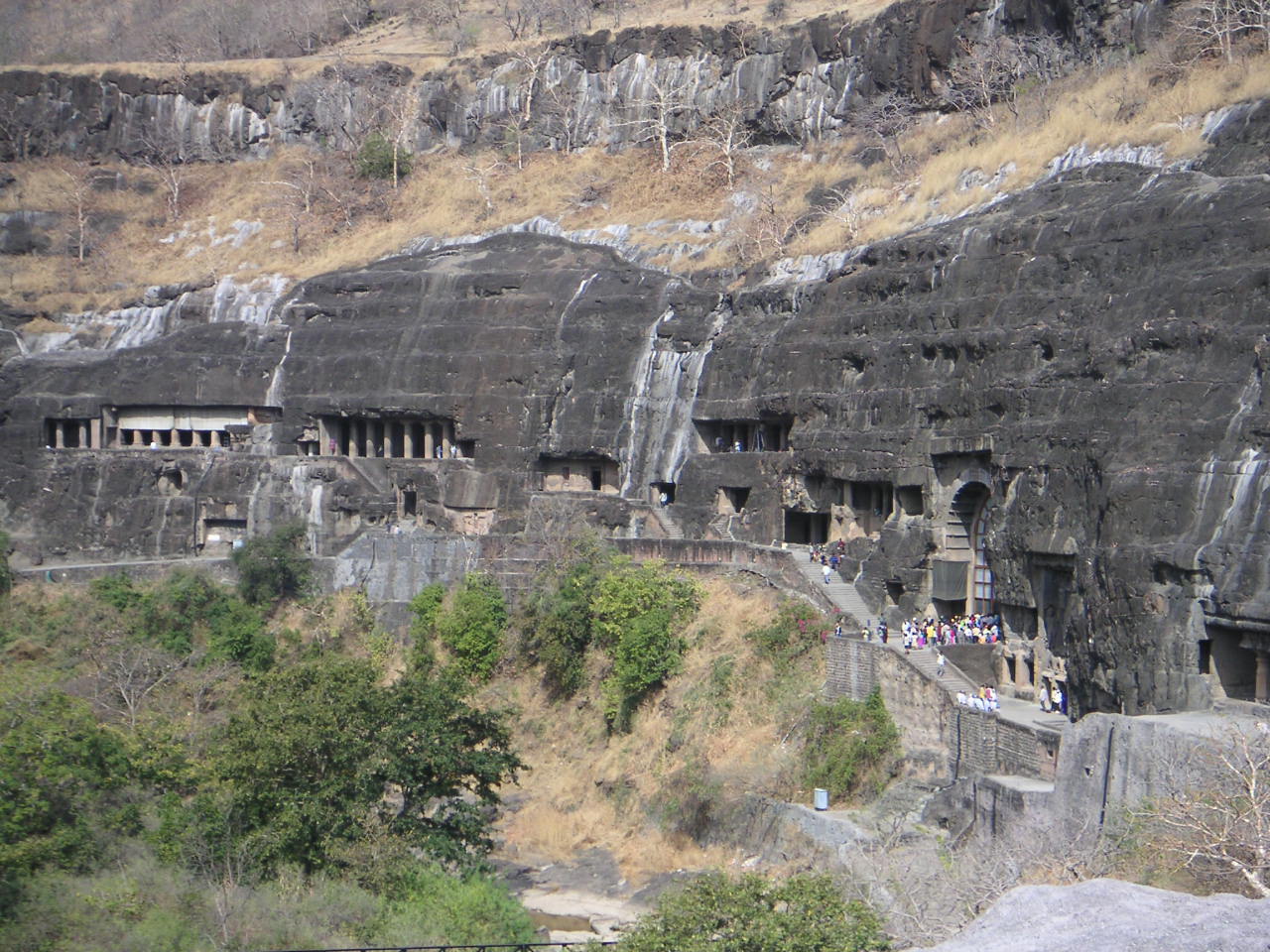
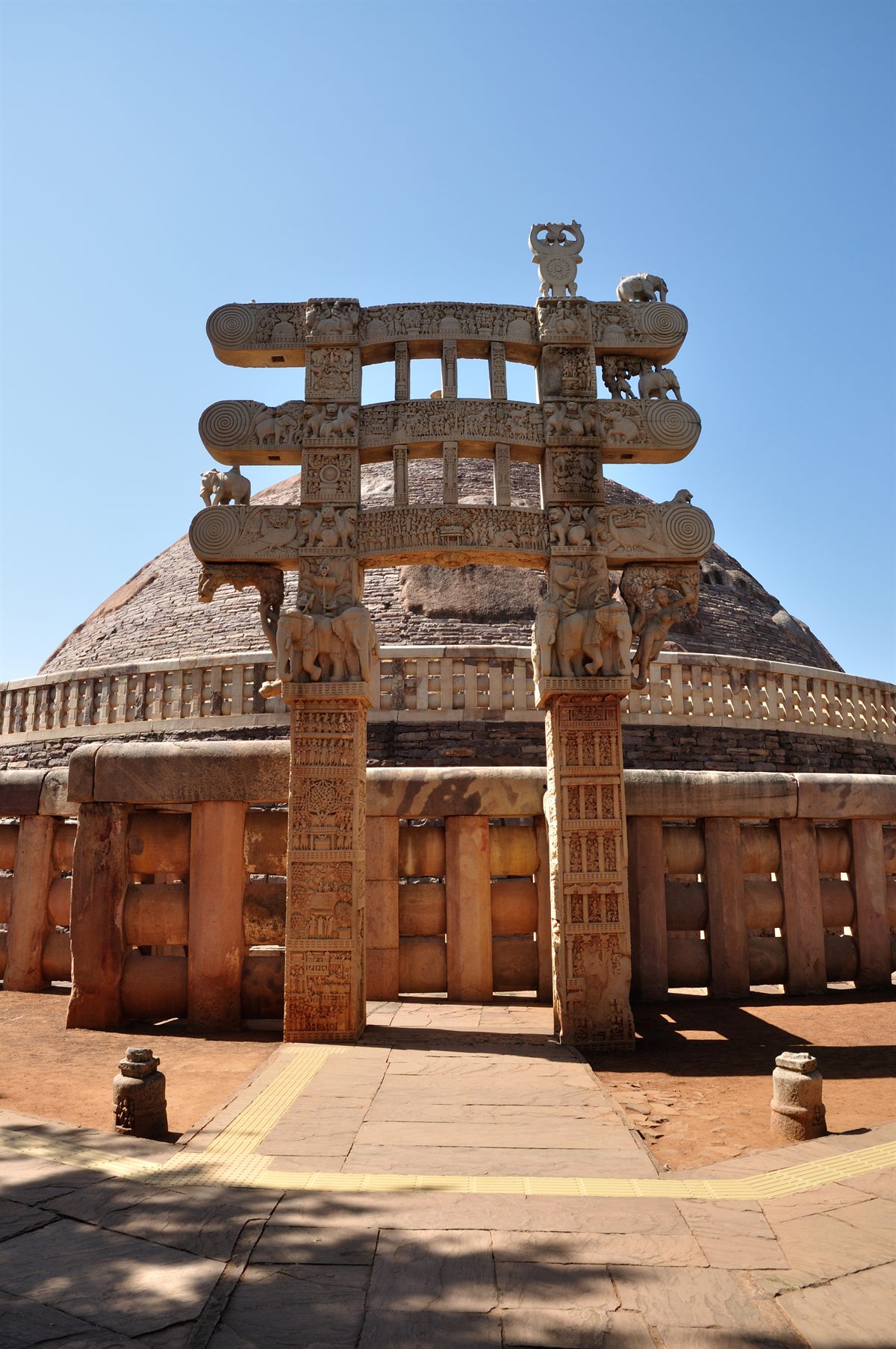
The Mauryan Empire (322–185 BCE) under Emperor Ashoka united most of the subcontinent and spread Buddhism across Asia. Ashoka's rock edicts — still legible after 2,300 years — are the world's earliest public inscriptions of governance and non-violence. The Gupta Dynasty (320–550 CE), India's Golden Age, gave us the mathematical concept of zero, the decimal system, and masterpiece murals at Ajanta and Ellora.
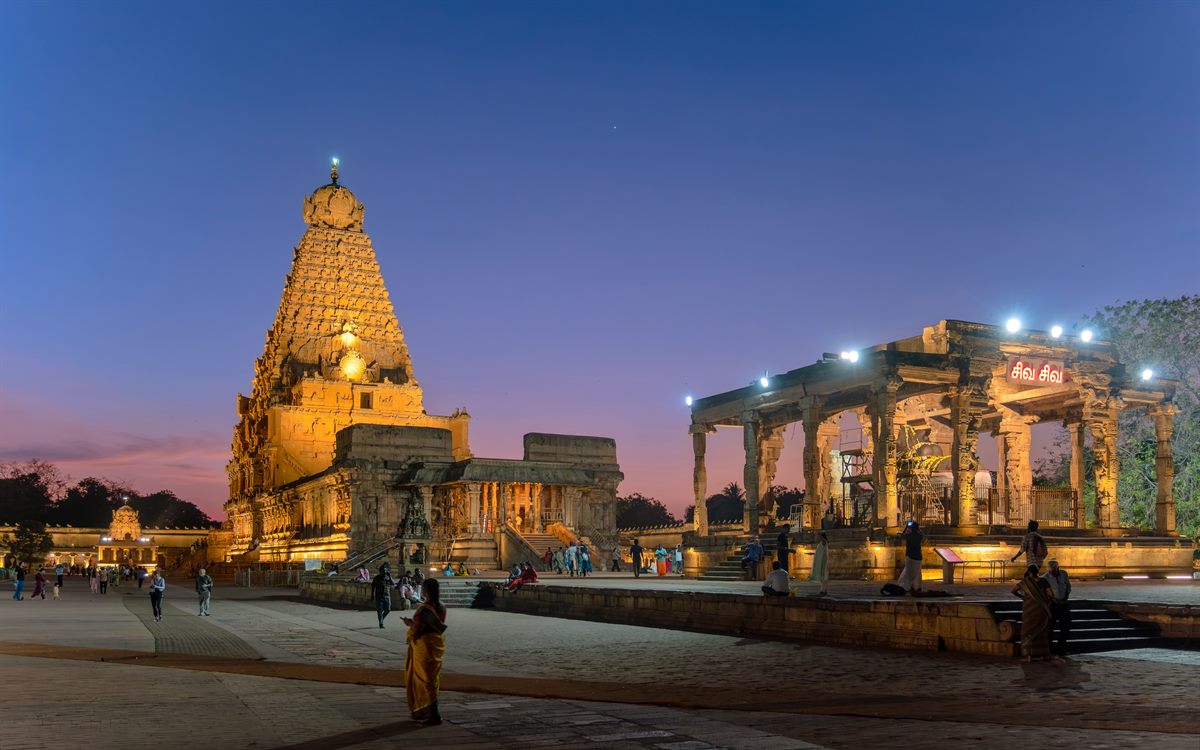
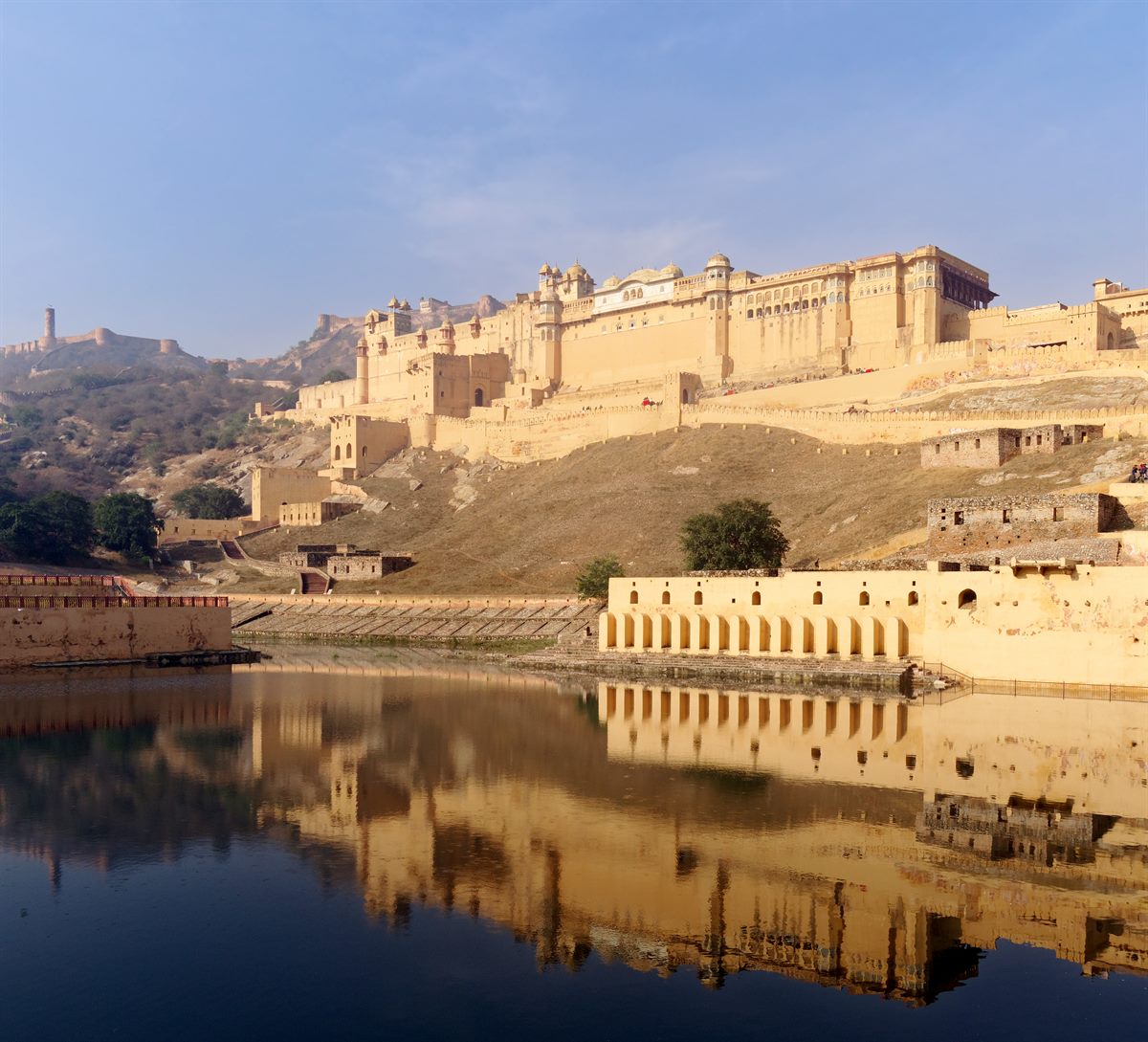
Between the 9th and 13th centuries, the Chola Dynasty raised the greatest temple complexes ever conceived — the Brihadisvara at Thanjavur with its 66-metre vimana and an 80-tonne monolithic granite capstone remains an engineering marvel to this day. Rajput kingdoms simultaneously built fort cities like Amer, Jaisalmer, and Chittorgarh — desert fortresses of extraordinary military ingenuity.


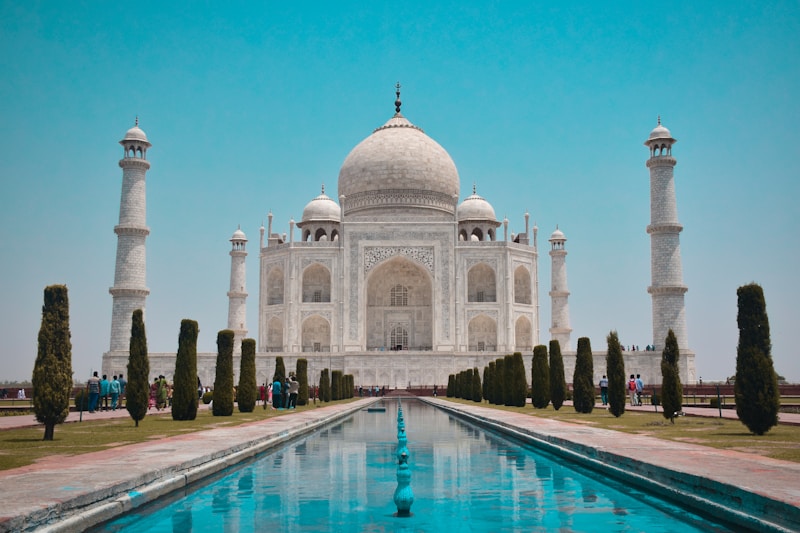
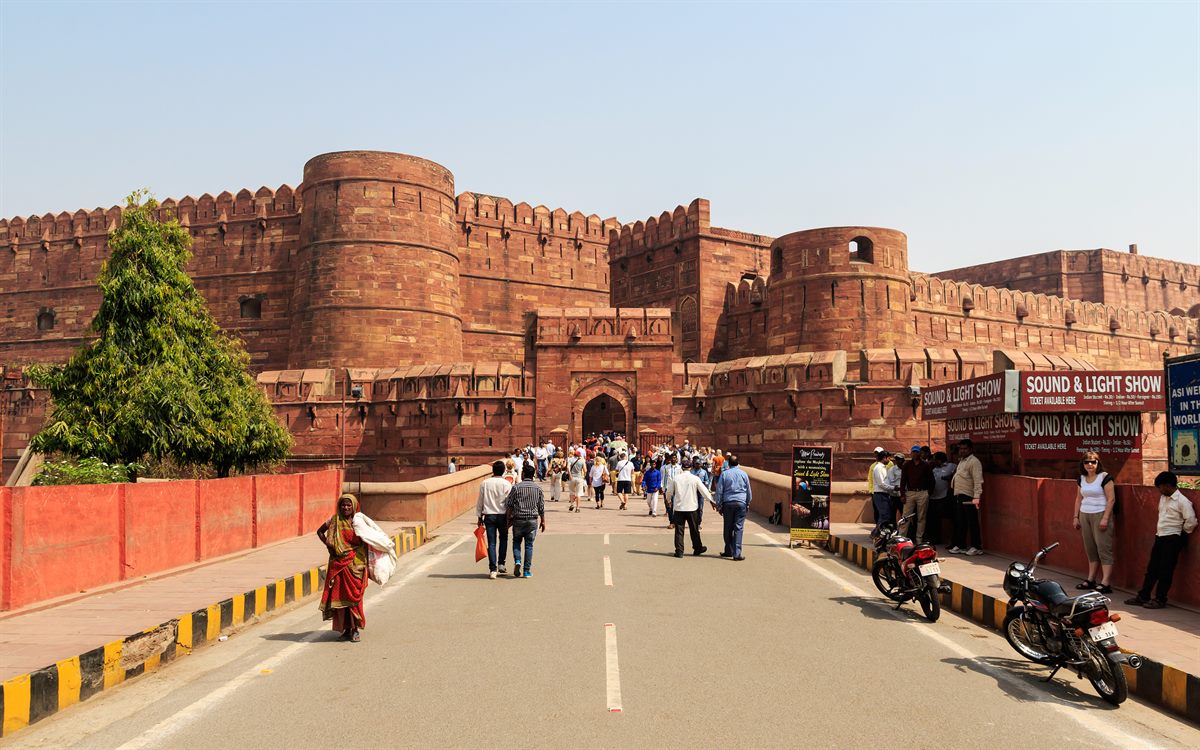
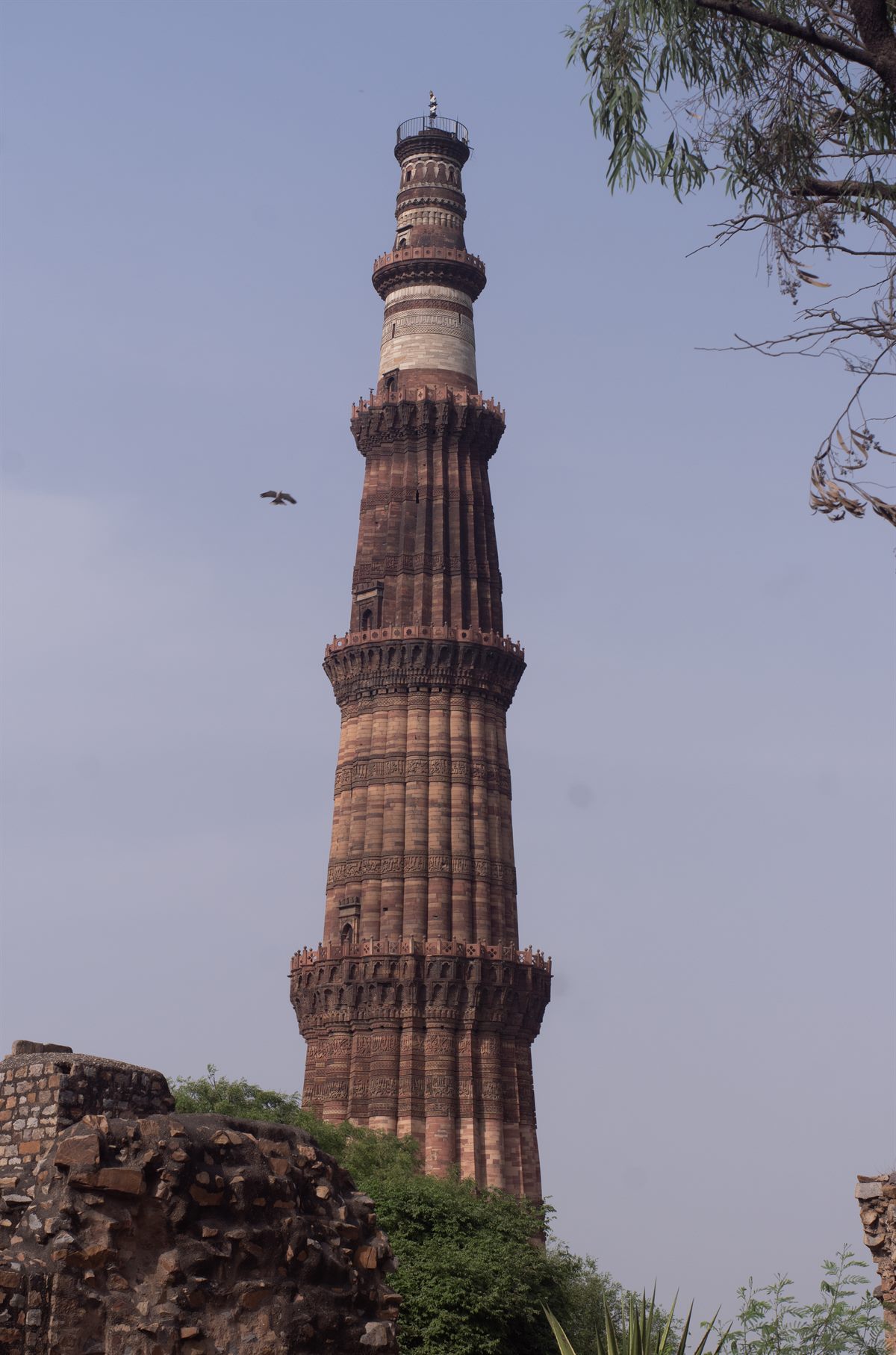
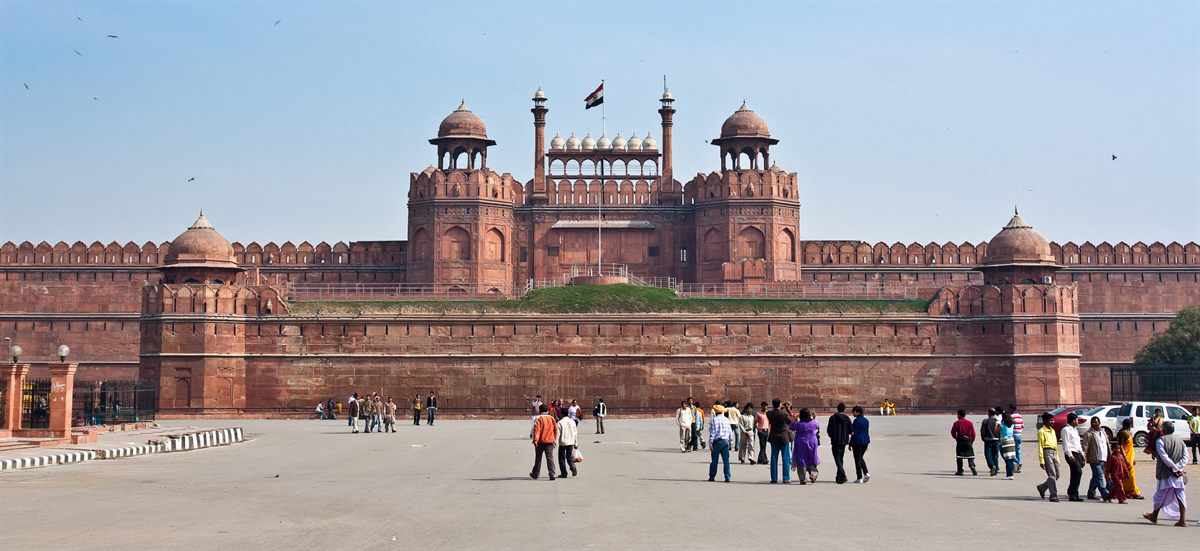
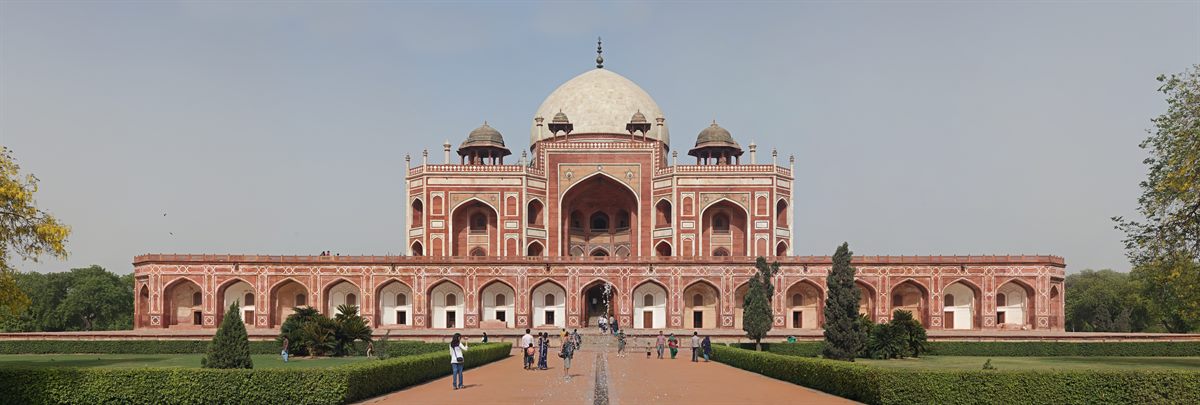
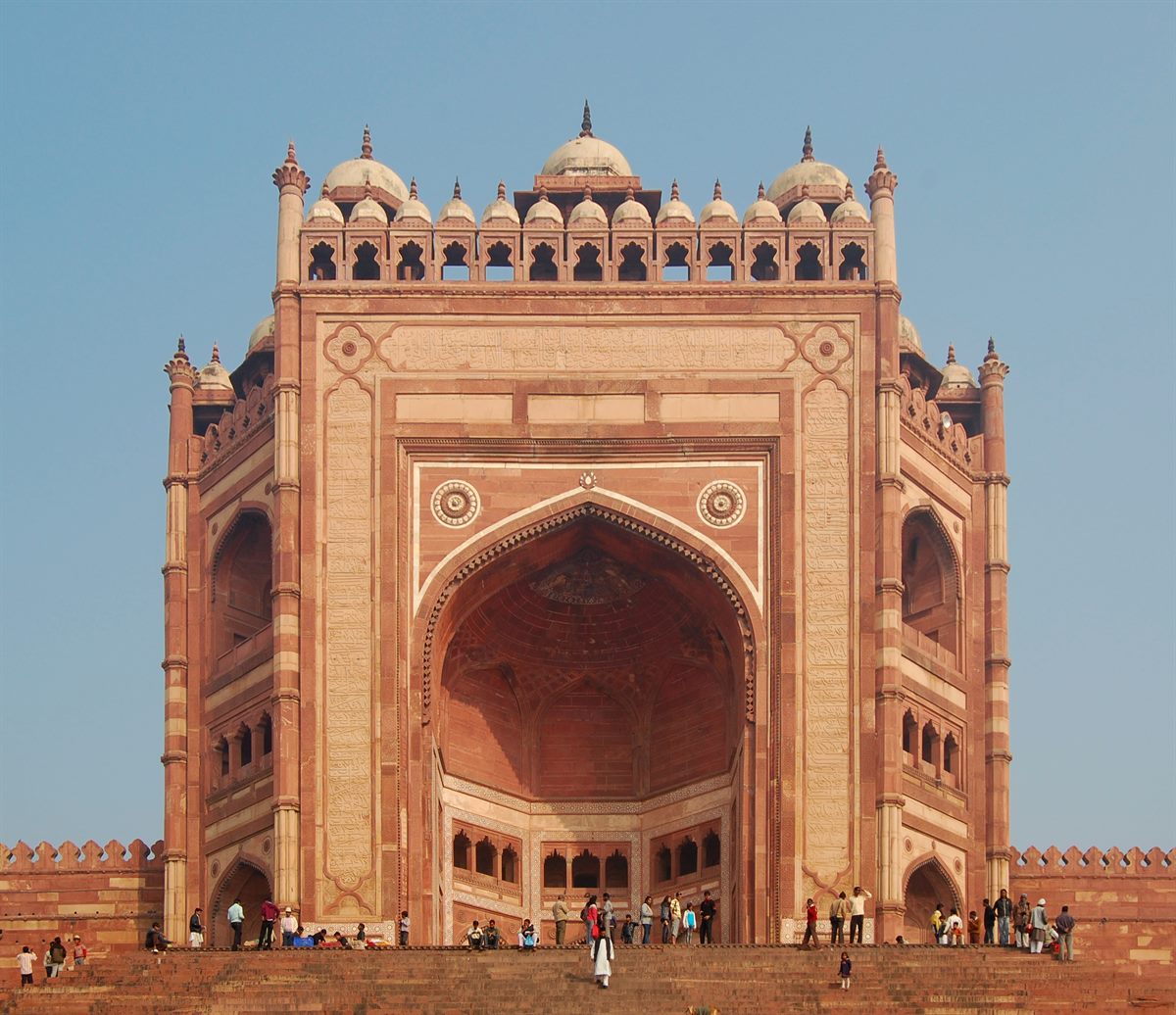
The Mughal Empire (1526–1857) fused Persian, Central Asian and Indian traditions into a timeless synthesis. Shah Jahan's Taj Mahal (1632–1653), Humayun's Tomb, the Red Fort, Qutub Minar and Fatehpur Sikri — each monument a masterpiece of inlay work, calligraphy and architectural harmony found nowhere else on Earth.
India's heritage is not a relic — it is alive and breathing. The Meenakshi Temple in Madurai draws over 15,000 worshippers daily. The Golden Temple in Amritsar serves the world's largest free community meal to 100,000 people every day. India's 40 UNESCO World Heritage Sites span every era, every faith, every corner of this extraordinary subcontinent.
Explore by Era
Discover by Category


Explore All Monuments
Curated architectural wonders, UNESCO World Heritage sites, and sacred sanctuaries across 5,000 years of civilization.
Smart Travel Planner & International Guides
Algorithmic day-by-day itineraries calculated by budget, high-speed rail connectivity, and essential guides for international & domestic travelers.